Table Of Content
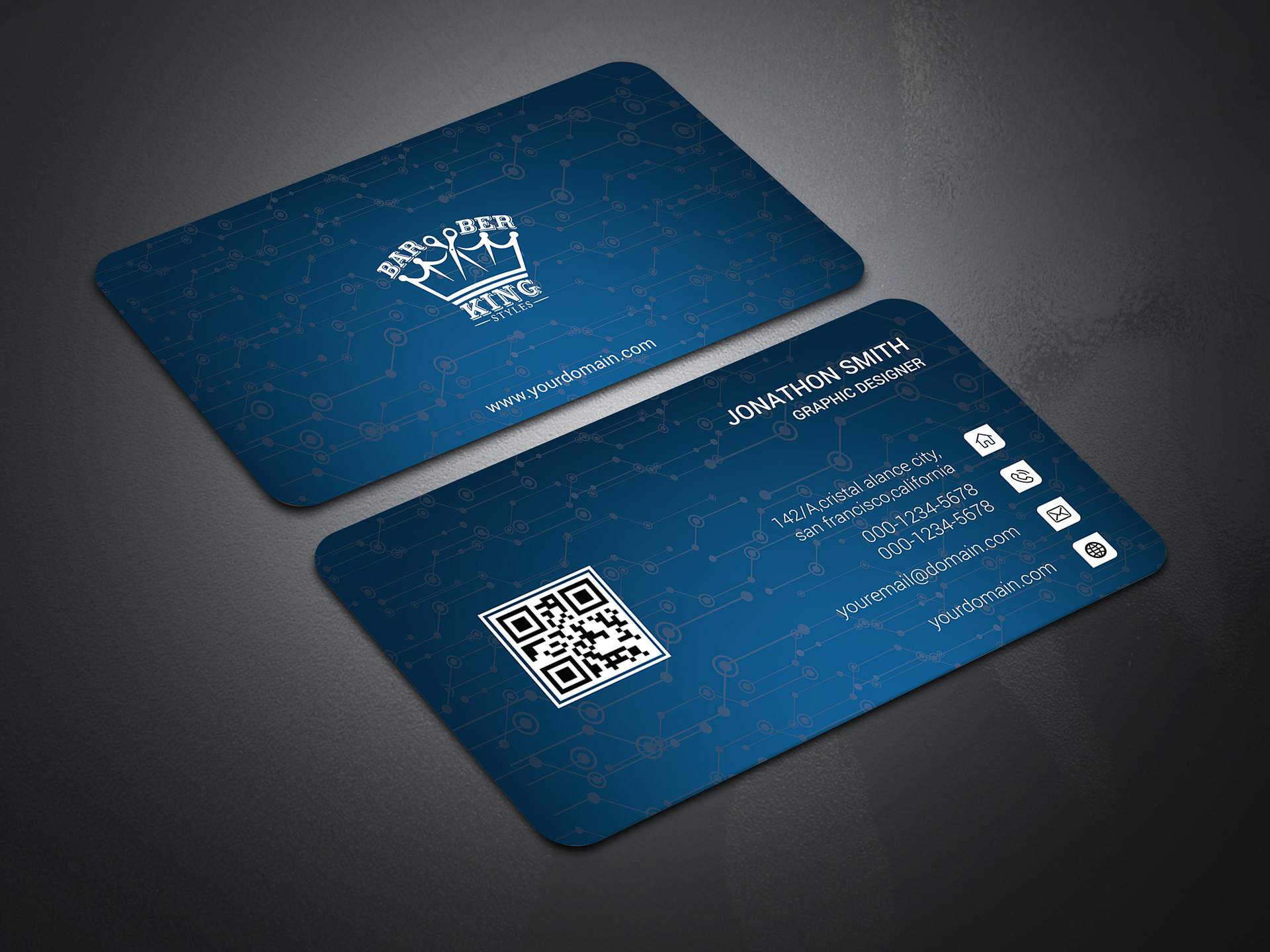
With our free account, you can share a link to your business card from our editor. To download and print your business card design, upgrade to our paid plans. In the editor they are called “slides.” It’s up to you to decide if you want your card to have one side or two. We think a two sided card is more powerful because one side can be really visual while the other is more about the information.
How To Make a Business Card in 5 Easy Steps
You can select the seller level and language, budget, desired delivery time, and special delivery options such as image file format or source file. He splits his time between art and design, motion and video and writing for various creative titles. He has written a book about web design, Pro CSS3 Layout Techniques and contributed to typography book, Fonts and Typefaces Made Easy.
Choose your shape
Get ready to hand out your professional business cards after just a few clicks. To create a really unique business card you might have to hire a designer. All the online printing websites we mentioned above, offer designer services. For a specialty shaped business card, visit a site like PsPrint. Really unique business cards will definitely cost a lot more than a standard card, but sometimes it really is worth it. In a world where technology dominates communication, business cards provide a physical representation of your personal brand.

Material and Printing
For more detailed strategies on card distribution at events, explore ways to distribute business cards at wikiHow Life. Next, customize the colors, fonts and even the layout of your business card with our easy to use editing tools. Browse and choose from thousands of business cards, customised with your logo colors to match your brand.
British printing firm Moo crosses $1bn of lifetime revenue - Yahoo Finance UK
British printing firm Moo crosses $1bn of lifetime revenue.
Posted: Sat, 22 Jul 2023 07:00:00 GMT [source]
Design from one of our business card templates
This is why now, more than ever, learning how to design a business card that stands out from the pack is vital to increasing your company's success. The problem is that many business owners don't know where to begin with this process. In contrast, others don't realize just how important these pocket-sized cards are for their growth. Just be sure to avoid a couple of fairly common pitfalls when designing business cards.
How to Design a Business Card (A Beginner’s Guide)
Take the opportunity to use your business card as a way to initiate conversations when you want to connect at events. Before, during, and after the card exchange, take the opportunity to discuss your profession, expertise, or any unique aspects of your business that may intrigue others. When it comes to business card etiquette, you can make an impression by adhering to some basic rules. I wanted to create a new logo but I couldn't find any inspiration. Gather all your contact information in a notebook or document on your computer. You’ll need your name, company name and email address, as well as your social media profiles and website.
Essential Contact Details
Start by including your name, job title or industry, phone number, email address, and website. These are the basic contact details that enable recipients to get in touch with you. Remember to keep the font size legible and choose a typography style that reflects your brand’s personality.
It’s fast - create a business card in minutes!
White space, often referred to as negative space, is the unmarked area between design elements. Your use of white space can dramatically impact the card’s readability and perceived value. For instance, clustering all your elements together often overwhelms the reader.
Since it’s probably printed on regular paper, the feel of it in your hand has no effect either. The card on the right has a spot UV effect in a splash design, plus a lively color. If you take a minute or two and search for “bad business cards,” the one on the left is one of the first images that pops up. There are too many fonts and the company name initials are “BAD.” Bad all around. Even with alternatives like exchanging contact details on your phones when you meet someone, handing each other a unique business card can still be a memorable experience.
There are numerous types of paper and stock to consider for your design, so let's take an in-depth look at each one below. The final tip in our guide to how to design a business card applies to every bit of print work you do, but it’s so crucial that it’s worth repeating for business card design. That said, we've seen some very clever examples of 'useful' business cards, from business cards that serve as phone holders to seed packets, bottle openers and more.
Consider the tactile experience you want to provide to recipients and select a card stock that aligns with your brand’s identity. Once you have finalized your business card design, it’s time to consider the printing process and material choices. These factors can greatly impact the overall look and feel of your business cards. The design process is a crucial step in creating an effective business card. It involves conceptualizing your design, selecting appropriate typography and imagery, and ensuring cohesiveness with your brand’s visual identity.